

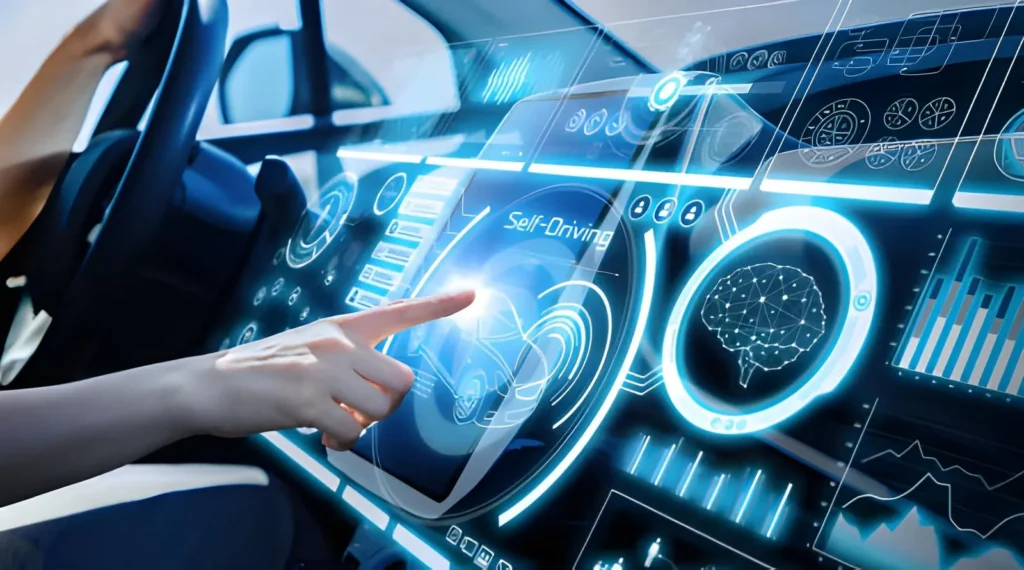
The future of autonomous driving technology is one of the most exciting developments in the automotive industry. Self-driving cars are gradually changing how people think about transportation, road safety, and personal mobility. With advancements in artificial intelligence, advanced sensors, and intelligent navigation systems, autonomous vehicles are becoming increasingly capable of handling complex driving situations.
Automotive manufacturers and technology companies are investing heavily in autonomous vehicle technology to create safer, smarter, and more efficient transportation systems. Although fully driverless cars are not yet available everywhere, ongoing innovations are bringing the industry closer to a future where vehicles can operate with minimal human involvement.
Understanding the benefits, challenges, and future possibilities of autonomous driving helps explain how this technology could transform everyday travel.
What Is Autonomous Driving Technology?
Autonomous driving technology allows vehicles to navigate roads, recognize obstacles, and make driving decisions using computer systems rather than relying entirely on human drivers.
These vehicles combine artificial intelligence, cameras, radar, and other sensors to understand their surroundings. Advanced software processes information and determines appropriate actions, including accelerating, braking, steering, and changing lanes.
The Society of Automotive Engineers identifies six levels of driving automation, ranging from Level 0 to Level 5.
- Level 0: No driving automation.
- Level 1: Basic driver assistance.
- Level 2: Partial driving automation requiring continuous driver supervision.
- Level 3: Conditional automation under specific circumstances.
- Level 4: High automation within defined operating conditions.
- Level 5: Full automation under all driver-manageable conditions.
Most consumer vehicles offering automated driving features still require human supervision. Higher automation levels remain limited to particular vehicles, locations, and operating conditions.
The Role of Artificial Intelligence in Autonomous Vehicles
Artificial intelligence in autonomous driving plays a central role in helping vehicles interpret information and respond to changing road conditions.
AI-powered systems analyze data collected from cameras, radar, and other sensors. Machine learning algorithms help identify pedestrians, cyclists, traffic signals, vehicles, and potential hazards.
For example, an autonomous vehicle approaching an intersection must recognize traffic lights, predict the movement of nearby vehicles, and determine when it is safe to proceed.
AI also supports route planning, object detection, and decision-making. As developers improve these systems through testing, simulation, and real-world driving data, autonomous vehicles may become better at handling complicated traffic environments.
However, reliable performance in unusual or unpredictable situations remains an important challenge.
How Advanced Sensors Improve Self-Driving Cars
Modern self-driving cars depend on sophisticated sensor systems to monitor their surroundings.
Cameras capture visual information, including road signs, lane markings, and traffic lights. Radar systems measure the distance and relative speed of nearby objects, while lidar technology can create detailed three-dimensional representations of the environment.
Some autonomous driving systems combine information from multiple sensors through a process called sensor fusion.
This approach helps vehicles develop a more complete understanding of road conditions and reduces dependence on a single information source.
Future sensor improvements may increase accuracy, reduce equipment costs, and improve performance during difficult weather conditions.
Nevertheless, heavy rain, snow, fog, and poorly maintained roads can still create significant technical difficulties.
Improved Road Safety Through Autonomous Driving
One of the most promising benefits of autonomous vehicle technology is its potential to improve road safety.
Human driving mistakes, including distraction, fatigue, and impaired judgment, contribute to many traffic accidents. Automated driving systems are designed to monitor their surroundings continuously and respond to detected hazards.
Potential safety improvements include faster hazard detection, consistent speed control, automatic emergency braking, and reduced driver distraction.
Autonomous vehicles could also help reduce certain types of collisions by maintaining appropriate following distances and following traffic rules.
However, automation does not automatically guarantee safer roads. Software failures, sensor limitations, unexpected road conditions, and interactions with human drivers introduce additional risks.
Extensive testing and transparent safety evaluations will be necessary before autonomous vehicles can demonstrate consistent safety benefits across different environments.
The Future of Autonomous Public Transportation
Autonomous driving could significantly transform public transportation systems.
Self-driving buses, robotaxis, and autonomous shuttles may eventually provide more flexible transportation services in urban communities.
Driverless shuttle services could connect residential neighborhoods with railway stations, airports, shopping centers, and business districts.
Autonomous taxis may also offer convenient transportation options for individuals who cannot drive.
Some cities are already experimenting with autonomous transportation services in controlled environments or selected operating areas.
As the technology develops, these services could become more widely available, although expansion will depend on safety performance, regulations, infrastructure, and public acceptance.
Environmental Benefits of Autonomous Vehicles
The future of autonomous driving may also influence environmental sustainability.
Autonomous vehicles can potentially improve energy efficiency through smoother acceleration, optimized braking, and intelligent route selection.
When combined with electric vehicle technology, automated transportation could help reduce tailpipe emissions and dependence on fossil fuels.
Connected transportation systems may eventually coordinate traffic movements to reduce unnecessary stops and congestion.
However, environmental benefits are not guaranteed. Easier transportation could encourage additional travel, increasing traffic and overall energy consumption.
The environmental impact of autonomous vehicles will depend on vehicle efficiency, electricity sources, passenger occupancy, and transportation policies.
Challenges Facing Autonomous Driving Technology
Despite remarkable technological progress, several challenges continue to limit the widespread adoption of autonomous vehicles.
Safety and reliability remain major concerns. Vehicles must operate effectively in unpredictable situations, including construction zones, unusual intersections, and sudden pedestrian movements.
Cybersecurity is another important issue because connected vehicles may become targets for unauthorized access or malicious attacks.
Legal responsibility also creates complications. Governments and manufacturers must determine how liability should be assigned when automated driving systems are involved in accidents.
Additional challenges include high development costs, changing regulations, privacy concerns, and public trust.
Addressing these issues will require cooperation between automotive manufacturers, technology developers, regulators, and transportation authorities.
How Autonomous Driving Will Change the Automotive Industry
Autonomous driving innovation is expected to reshape automotive manufacturing, vehicle ownership, and transportation services.
Traditional car manufacturers are increasingly working with software developers, semiconductor companies, and artificial intelligence specialists.
Future vehicles may receive regular software updates that improve driving capabilities and introduce new features.
Autonomous technology could also influence vehicle interiors. In highly automated vehicles, manufacturers may eventually design cabins that prioritize passenger comfort, entertainment, and productivity.
Commercial transportation may experience significant changes as well. Autonomous delivery vehicles and freight trucks could improve certain logistics operations, particularly along predictable routes.
However, the pace of adoption will vary across industries and geographic regions.
What Does the Future Hold for Self-Driving Cars?
The coming years will likely bring continued improvements in artificial intelligence, sensor technology, and automated driving software.
Level 4 autonomous services may expand gradually into additional cities and carefully defined operating environments.
Consumer vehicles may also gain more sophisticated driver-assistance features, although drivers will still need to understand their systems’ limitations.
Fully autonomous Level 5 vehicles remain a longer-term ambition because driving safely in every possible environment is extremely difficult.
The most realistic future involves gradual adoption rather than an immediate replacement of human-driven vehicles.
Conclusion
The future of autonomous driving technology offers significant opportunities to improve transportation safety, convenience, accessibility, and efficiency.
Advancements in artificial intelligence, intelligent sensors, and connected vehicle systems are helping manufacturers develop increasingly capable autonomous vehicles.
However, technical limitations, cybersecurity threats, legal questions, and public trust must be addressed before widespread adoption becomes possible.
As innovation continues, self-driving cars and autonomous transportation systems may become an important part of modern mobility, transforming how people and goods move around the world.
Also Read About: Common Myths About Electric Vehicles Explained: Separating Facts from Fiction
