

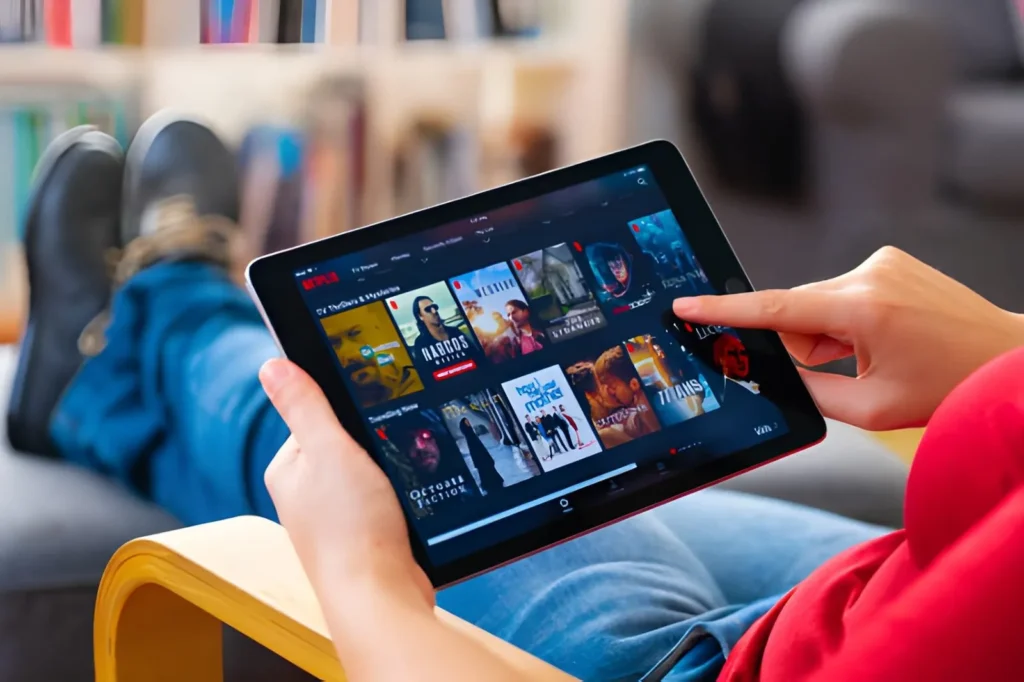
Streaming services have completely transformed the way people enjoy entertainment. In the past, watching movies, television shows, and other programs required following fixed broadcast schedules or purchasing physical media. Today, streaming services allow viewers to access thousands of entertainment options whenever and wherever they want. This shift has changed viewing habits, consumer expectations, and the entertainment industry itself.
Popular platforms such as Netflix, Disney+, Amazon Prime Video, and Hulu have made on-demand entertainment a normal part of everyday life. With smartphones, smart TVs, tablets, and laptops, audiences can watch their favorite content almost anywhere. Understanding how streaming services have changed entertainment habits reveals the growing influence of digital technology on modern lifestyles.
The Rise of On-Demand Entertainment
One of the biggest changes introduced by streaming platforms is the ability to watch content on demand. Traditional television required viewers to follow scheduled programming, often making them wait until a specific time to enjoy their favorite shows.
Streaming services have removed these limitations. Users can select movies, television series, documentaries, and other programs whenever they prefer. This flexibility makes entertainment easier to fit into busy schedules.
On-demand streaming also allows viewers to pause, rewind, or continue watching content across different devices. As a result, people have greater control over their entertainment experiences than ever before.
The Growing Popularity of Binge-Watching
Streaming platforms have encouraged a viewing habit known as binge-watching, where people watch several episodes of a television series in one sitting.
Unlike traditional television networks that typically release episodes weekly, some streaming services make entire seasons available simultaneously. This approach allows viewers to follow complete storylines without waiting between episodes.
Binge-watching can make entertainment more engaging and enjoyable. However, spending excessive time watching television may reduce physical activity, interfere with sleep, and affect daily responsibilities.
Maintaining a healthy balance between entertainment and other activities is important for responsible streaming.
Personalized Entertainment Recommendations
Another major development in streaming entertainment is the use of personalized recommendations. Streaming platforms analyze viewing history, preferences, and user interactions to suggest relevant movies and television programs.
These recommendation systems help viewers discover entertainment that matches their interests. Someone who regularly watches science fiction movies, for example, may receive suggestions for similar films or television series.
Personalized streaming recommendations make content discovery more convenient and reduce the time spent searching for something interesting.
However, recommendation algorithms may also limit exposure to unfamiliar genres when viewers repeatedly receive suggestions similar to their previous choices.
The Decline of Traditional Cable Television
The popularity of streaming services has contributed to changing attitudes toward traditional cable television. Many households now prefer internet-based entertainment because it offers greater flexibility and more control over content selection.
This trend is commonly called cord-cutting, which refers to canceling traditional cable or satellite television subscriptions in favor of alternative entertainment services.
Streaming platforms often provide different subscription plans, allowing consumers to choose services based on their interests and budgets.
Nevertheless, traditional television remains relevant for live sports, local news, and certain broadcasts. Many viewers combine streaming subscriptions with conventional television services to meet their entertainment needs.
Entertainment Is Now Available Anywhere
Streaming technology has made entertainment more portable than ever. Previously, watching television usually meant sitting in front of a television set at home.
Today, smartphones and tablets allow people to enjoy movies, television shows, and videos while traveling, commuting, or relaxing outdoors.
Many streaming platforms also support offline downloads, enabling subscribers to watch selected content without an active internet connection.
This accessibility has made mobile entertainment an important part of modern lifestyles. However, watching content while walking, driving, or performing activities requiring attention can create safety risks.
Greater Access to International Content
Streaming services have expanded access to entertainment from different countries and cultures. Viewers can now discover international movies, television dramas, documentaries, and animated programs without relying on local broadcasters.
Subtitles and dubbing options have made foreign-language entertainment more accessible to global audiences.
For example, Korean dramas, Spanish-language series, and Japanese anime have attracted viewers across international markets.
This increased exposure encourages cultural exchange and helps audiences appreciate different storytelling traditions. It also provides opportunities for international filmmakers and content creators to reach larger audiences.
Changes in Family Entertainment Habits
Streaming services have also influenced how families spend time together. Instead of waiting for scheduled television programs, families can choose movies and shows that match their interests.
Many platforms offer separate user profiles, parental controls, and age-appropriate content categories. These features help households manage entertainment preferences more effectively.
Families can organize movie nights, explore educational documentaries, or watch animated programs together.
However, individual viewing profiles and personal devices may also encourage separate entertainment habits. Establishing shared viewing routines can help families maintain meaningful connections.
The Impact on Movie Theaters
The growth of streaming platforms has influenced the movie theater industry. Some viewers now prefer watching newly available films at home because of convenience, affordability, and comfort.
Streaming eliminates transportation expenses, crowded theaters, and fixed showtimes. Viewers can also pause movies and enjoy entertainment in familiar surroundings.
Despite these advantages, movie theaters continue to offer experiences that home streaming cannot fully reproduce, including large screens, immersive sound systems, and shared audience excitement.
The entertainment industry increasingly uses different release strategies, including theatrical releases, streaming premieres, and combinations of both.
Subscription Costs and Entertainment Choices
Although streaming services offer convenience, managing multiple subscriptions can become expensive.
Consumers may subscribe to several platforms because exclusive movies and television programs are distributed across different services. These monthly payments can gradually increase household entertainment expenses.
Some platforms provide advertising-supported plans at lower prices, while others offer premium subscriptions with additional features.
To control spending, viewers can compare subscription packages, cancel unused services, and rotate subscriptions according to their interests.
Smart subscription management helps consumers enjoy digital entertainment without unnecessary financial pressure.
The Future of Streaming Entertainment
Streaming technology continues to evolve as companies introduce new features and improve viewing experiences.
Artificial intelligence may support more advanced content recommendations, while improved internet connections can make high-quality streaming more accessible.
Interactive storytelling, live streaming, and personalized viewing experiences may also influence future entertainment habits.
At the same time, streaming providers face challenges involving subscription costs, content licensing, competition, and consumer privacy.
Companies that balance affordability, content quality, and convenience are likely to remain important in the evolving entertainment market.
Conclusion
Streaming services have changed entertainment habits by making movies, television shows, and digital content more accessible, flexible, and personalized. From on-demand viewing and binge-watching to international entertainment and mobile accessibility, streaming platforms have transformed how audiences consume media.
While streaming offers significant advantages, challenges such as rising subscription costs, excessive screen time, and fragmented content libraries remain important considerations.
As technology advances, streaming services will continue shaping entertainment preferences. By making thoughtful viewing choices and maintaining balanced habits, consumers can enjoy the benefits of modern digital entertainment.
Also Read About: Why Side Hustles Are Becoming More Popular
