

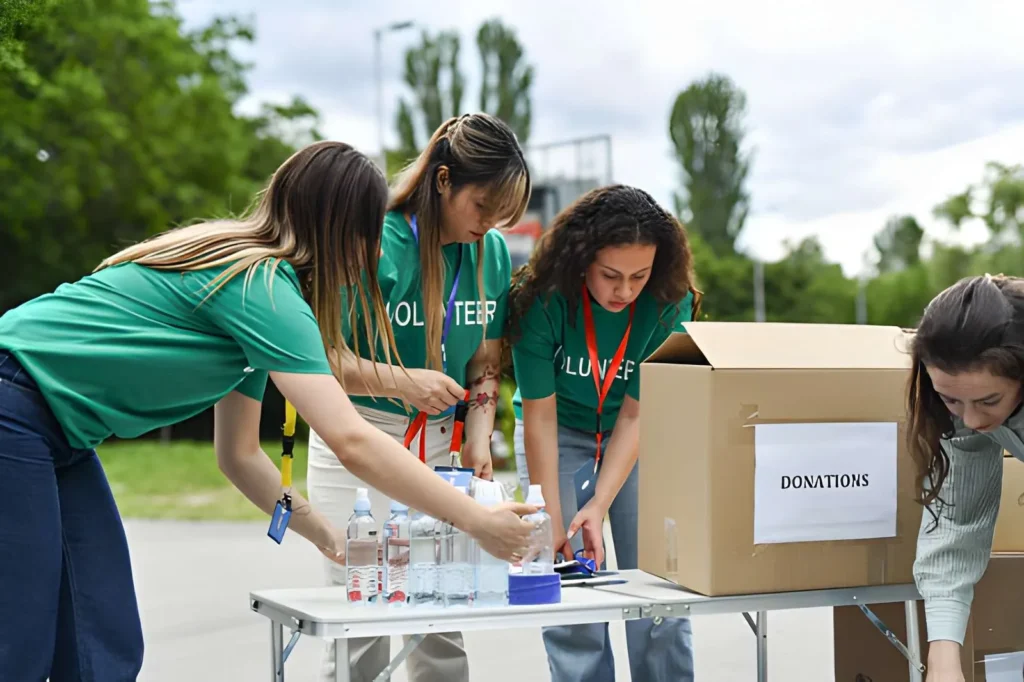
Community activities play an important role in bringing people together, building relationships, and creating a healthier society. Whether volunteering at a local charity, attending neighborhood events, joining a sports club, or participating in environmental projects, community involvement offers numerous benefits for individuals and society.
In today’s busy world, people often focus on personal responsibilities, work, and technology. However, making time for community activities can improve social connections, support mental well-being, and develop valuable life skills. Participating in local events also provides opportunities to contribute positively to the surrounding environment.
Understanding the benefits of participating in community activities can encourage more people to become involved and make meaningful contributions to their neighborhoods.
1. Building Stronger Social Connections
One of the greatest benefits of community participation is the opportunity to develop meaningful relationships. Community events bring together people from different backgrounds, ages, and experiences.
Participating in neighborhood gatherings, cultural celebrations, or volunteer programs allows individuals to meet new people and establish friendships. These connections create a sense of belonging and strengthen relationships within the community.
Strong social connections can also reduce feelings of loneliness and isolation. When people know their neighbors and interact regularly, they are more likely to support one another during difficult situations.
2. Improving Mental Health and Emotional Well-Being
Community involvement can positively influence mental health and emotional well-being. Participating in meaningful activities provides opportunities for social interaction, personal satisfaction, and emotional support.
Volunteering, for example, can create a sense of accomplishment because individuals know their efforts are helping others. This feeling of purpose may contribute to improved self-esteem and happiness.
Community activities also offer opportunities to relax, enjoy shared experiences, and temporarily disconnect from daily responsibilities. Positive social interactions can help reduce stress and promote emotional balance.
Regular participation in enjoyable community programs can therefore support a healthier and more fulfilling lifestyle.
3. Developing Important Life Skills
Participating in community activities provides practical opportunities to develop valuable personal and professional skills.
Organizing local events, coordinating volunteers, or participating in group projects requires communication, teamwork, leadership, and problem-solving abilities.
For example, helping organize a neighborhood cleanup campaign teaches participants how to plan activities, manage responsibilities, and collaborate effectively.
These experiences can be particularly beneficial for students and young adults preparing for future careers.
Leadership skills, communication abilities, and teamwork experience gained through community involvement can also improve confidence and professional development.
4. Creating a Sense of Belonging
Feeling connected to a community is an important part of personal happiness and social well-being.
When individuals participate in local activities, they become more familiar with their surroundings and develop stronger connections with the people around them.
Community festivals, neighborhood meetings, and cultural programs create opportunities to celebrate shared values and traditions.
These experiences help individuals feel appreciated, included, and connected.
A strong sense of belonging encourages people to take greater responsibility for their neighborhoods and contribute to maintaining a positive community environment.
5. Encouraging Physical Health and Active Living
Many community activities involve physical movement, making them beneficial for overall health.
Local sports competitions, walking groups, gardening projects, and neighborhood cleanup programs encourage people to stay active.
Regular physical activity supports cardiovascular health, strengthens muscles, and helps maintain a healthy body weight.
Community-based exercise programs can also make physical activity more enjoyable because participants receive encouragement from others.
For individuals who find exercising alone difficult, joining a community fitness group can provide motivation and accountability.
Combining physical activity with social interaction creates opportunities to improve both physical and emotional well-being.
6. Making a Positive Difference in Society
Community participation allows individuals to contribute directly to improving their neighborhoods.
Volunteering at food banks, supporting educational programs, assisting older adults, or participating in environmental campaigns can address important local needs.
Even small contributions can create meaningful improvements when community members work together.
For example, organizing a neighborhood recycling initiative can encourage responsible waste management and improve environmental awareness.
Similarly, supporting local charities can help provide essential resources to individuals and families experiencing financial difficulties.
Community service demonstrates how collective efforts can create positive social change.
7. Increasing Cultural Awareness and Understanding
Communities often include people with different cultural backgrounds, beliefs, traditions, and experiences.
Participating in community events provides opportunities to learn about these differences and develop greater understanding.
Cultural festivals, educational workshops, and neighborhood celebrations encourage individuals to appreciate diverse perspectives.
These experiences can reduce misunderstandings and promote respectful communication.
When people interact with individuals outside their usual social circles, they become more open-minded and understanding.
Cultural awareness and mutual respect help create welcoming communities where everyone has opportunities to participate.
8. Building Confidence and Personal Growth
Community activities encourage individuals to explore new experiences and step outside their comfort zones.
Someone who initially feels uncomfortable speaking publicly may gradually develop confidence by participating in community meetings or organizing events.
Similarly, volunteering for unfamiliar responsibilities can help individuals discover hidden talents and interests.
These experiences promote independence, adaptability, and personal development.
Completing meaningful community projects also provides a sense of achievement.
Over time, community involvement can strengthen self-confidence and encourage individuals to pursue additional opportunities for growth.
9. Strengthening Neighborhood Safety and Cooperation
Active community participation can contribute to safer and more supportive neighborhoods.
When residents communicate regularly and develop positive relationships, they become more aware of local concerns.
Neighborhood meetings, safety awareness programs, and community improvement initiatives encourage cooperation among residents.
For example, organizing discussions about road safety can help identify dangerous intersections and encourage appropriate improvements.
Strong neighborhood relationships also make it easier for residents to share information and assist one another during emergencies.
Community cooperation creates an environment where individuals feel more connected and responsible for their surroundings.
10. Creating Opportunities for Career Development
Community participation can also provide valuable opportunities for professional growth.
Volunteering and participating in local organizations allow individuals to gain practical experience, develop professional relationships, and explore potential career interests.
Students may discover an interest in education by volunteering as tutors, while others may develop organizational skills through event management.
Community projects can also introduce participants to professionals working in different industries.
These connections may lead to mentorship opportunities, career guidance, or professional recommendations.
Including relevant volunteer experience on a resume can demonstrate initiative, responsibility, and teamwork to potential employers.
11. Encouraging Civic Responsibility
Participating in community activities helps individuals understand their responsibilities as members of society.
Attending local meetings, supporting public improvement projects, and participating in educational campaigns encourage awareness of community needs.
These activities demonstrate that individuals can contribute to solving shared challenges rather than relying entirely on outside organizations.
Active participation also encourages residents to express their opinions respectfully and collaborate on practical solutions.
Developing civic responsibility helps create communities where people care about public resources, shared spaces, and collective well-being.
How to Get Involved in Community Activities
Getting involved does not require significant financial resources or extensive free time. Individuals can begin by exploring opportunities that match their interests and availability.
Some simple ways to participate include:
- Volunteering at local charities or nonprofit organizations.
- Joining neighborhood cleanup and environmental projects.
- Attending community festivals and cultural events.
- Participating in local sports clubs or fitness groups.
- Supporting educational workshops and mentoring programs.
- Helping organize neighborhood gatherings.
- Participating in community gardening initiatives.
- Supporting local fundraising campaigns.
Starting with small activities can help individuals build confidence and gradually become more involved.
The most important step is choosing meaningful opportunities and participating consistently whenever possible.
Conclusion
The benefits of participating in community activities extend beyond making friends and attending local events. Community involvement can improve mental and physical well-being, develop important life skills, increase cultural understanding, and encourage personal growth.
It also helps strengthen neighborhood relationships, promote cooperation, and create opportunities for positive social change.
Whether someone volunteers occasionally or participates regularly in local programs, every meaningful contribution can make a difference.
By becoming actively involved, individuals can improve their own lives while helping build stronger, healthier, and more connected communities.
Also Read About: How to Build a Better Weekend Routine for a Happier and More Productive Life
