

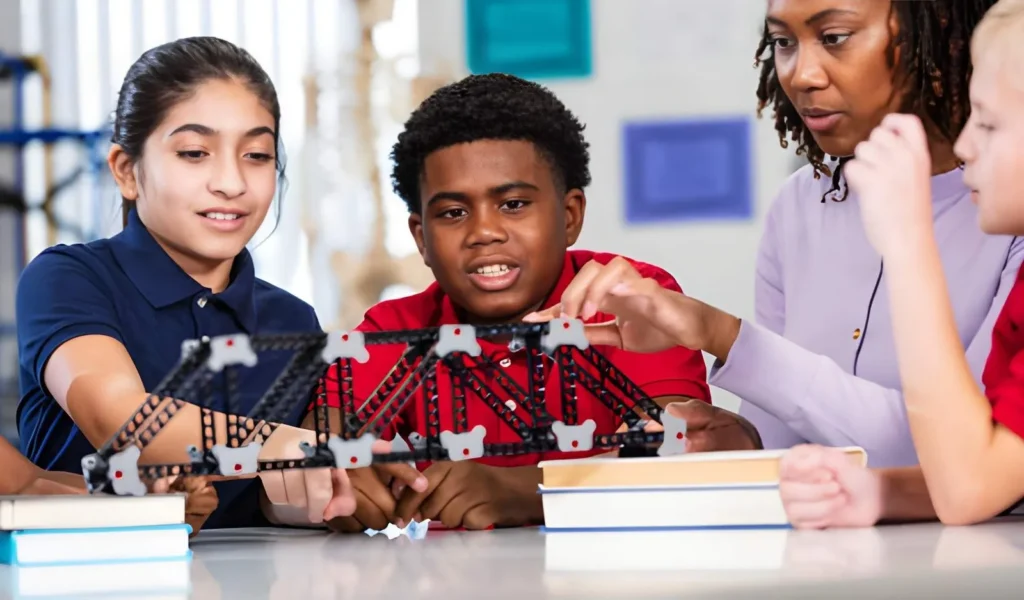
Education is constantly evolving to meet the changing needs of students and society. Traditional teaching methods often focus on textbooks, lectures, and examinations. However, modern education increasingly emphasizes practical experiences that encourage students to apply their knowledge in meaningful ways. One effective approach is project-based learning (PBL), which allows students to explore real-world challenges through hands-on activities.
Project-based learning for students promotes active participation, creativity, collaboration, and independent thinking. Instead of simply memorizing information, students investigate problems, develop solutions, and present their findings. This approach makes education more engaging while helping learners develop valuable academic and personal skills.
Understanding the benefits of project-based learning can help teachers, parents, and educational institutions create more effective learning environments.
What Is Project-Based Learning?
Project-based learning is an educational approach in which students gain knowledge and skills by working on meaningful projects over an extended period. These projects typically involve investigating questions, solving problems, conducting research, and creating practical solutions.
For example, students studying environmental science might develop a recycling program for their school. Similarly, business students could create a marketing plan for a fictional company.
Unlike traditional assignments, project-based learning encourages students to make decisions, collaborate with classmates, and apply concepts to realistic situations.
The main goal is to make learning more meaningful, interactive, and connected to everyday experiences.
1. Develops Critical Thinking and Problem-Solving Skills
One of the most important benefits of project-based learning is its ability to strengthen critical thinking and problem-solving abilities.
Students frequently encounter challenges that require careful analysis, research, and decision-making. Instead of receiving ready-made answers, they must evaluate information and develop their own solutions.
For example, a project about water conservation might require students to investigate water usage, identify wasteful practices, and recommend improvements.
These activities encourage logical reasoning and independent thinking. Over time, students become more confident in addressing complicated problems both inside and outside the classroom.
2. Encourages Creativity and Innovation
Creativity plays an essential role in modern education. Project-based learning provides opportunities for students to express original ideas and experiment with different approaches.
Students can design models, develop presentations, create videos, or build innovative products depending on their project requirements.
Because many projects allow multiple possible solutions, learners have greater freedom to explore their interests and imagination.
Creative learning activities also encourage students to take calculated risks and learn from mistakes. This process can help them develop innovative thinking skills that are valuable in future careers.
3. Improves Collaboration and Teamwork
Teamwork is another significant advantage of project-based learning. Many projects require students to work in groups, share responsibilities, and achieve common goals.
Through collaborative activities, students learn how to communicate respectfully, listen to different opinions, and manage disagreements.
For example, a group preparing a science exhibition might divide responsibilities among researchers, designers, writers, and presenters.
Such experiences teach students the importance of cooperation and accountability.
Collaborative learning also prepares students for professional environments where teamwork is essential for completing complex tasks successfully.
4. Increases Student Engagement and Motivation
Traditional classroom instruction can sometimes make students passive participants in their education. Project-based learning creates a more interactive experience by encouraging active involvement.
When students work on projects connected to their interests or real-world situations, they often become more motivated to learn.
For example, students interested in technology may enjoy developing a simple mobile application or designing a website.
Completing meaningful projects can also provide a sense of accomplishment.
As students recognize the practical value of their education, they may develop greater enthusiasm for classroom activities and independent learning.
5. Strengthens Communication Skills
Effective communication is essential for academic success and professional development. Project-based learning provides regular opportunities to practice written, verbal, and visual communication.
Students often need to explain their ideas, participate in discussions, write reports, and deliver presentations.
These experiences help learners organize information clearly and communicate confidently.
Additionally, receiving feedback from teachers and classmates teaches students how to respond constructively to suggestions.
Over time, communication skills developed through project-based learning can improve classroom participation, public speaking, and interpersonal relationships.
6. Connects Classroom Learning to Real-World Situations
One major limitation of purely theoretical education is that students may struggle to understand how academic concepts apply to everyday life.
Project-based learning helps bridge this gap by connecting classroom lessons with practical situations.
For example, mathematics students might calculate the budget for organizing a school event. Geography students could investigate local environmental challenges.
These experiences demonstrate why academic knowledge matters beyond examinations.
By applying concepts in realistic contexts, students can develop a deeper understanding of subjects and recognize the usefulness of their education.
7. Promotes Independent Learning and Responsibility
Project-based learning encourages students to take greater ownership of their education.
Rather than depending entirely on teachers for instructions, students must plan activities, research information, manage resources, and complete assignments.
This independence develops valuable habits such as self-discipline, organization, and accountability.
Students also learn to evaluate their progress and identify areas requiring improvement.
Teachers continue providing guidance, but learners become more actively involved in directing their educational experiences.
These skills can support success in higher education and future professional responsibilities.
8. Improves Time Management and Organizational Skills
Completing a successful project requires careful planning and effective time management.
Students must establish objectives, organize tasks, follow schedules, and meet deadlines.
For example, preparing a research presentation may involve collecting information, analyzing findings, creating slides, and practicing delivery.
Managing these activities teaches students how to prioritize responsibilities and avoid unnecessary delays.
Time management skills developed through project-based learning can also help students balance academic assignments, extracurricular activities, and personal commitments.
9. Builds Confidence and Leadership Abilities
Project-based learning creates opportunities for students to demonstrate their abilities and develop leadership qualities.
When learners successfully complete challenging projects, they often gain confidence in their knowledge and decision-making skills.
Group activities may also allow students to coordinate tasks, motivate classmates, and manage responsibilities.
These experiences encourage initiative, adaptability, and leadership.
Even students who initially feel uncomfortable speaking publicly may gradually become more confident through presentations and collaborative activities.
A supportive classroom environment helps learners recognize their strengths while developing new abilities.
10. Prepares Students for Future Careers
Modern workplaces increasingly value practical abilities alongside academic qualifications.
Employers often look for individuals who can solve problems, communicate effectively, collaborate with others, and adapt to changing situations.
Project-based learning helps students practice these competencies before entering professional environments.
For example, creating a business proposal can introduce students to budgeting, market research, teamwork, and presentation skills.
Similarly, technology projects may provide experience with digital tools and technical problem-solving.
By connecting education with practical challenges, project-based learning supports career readiness and lifelong learning.
How Teachers Can Implement Project-Based Learning Effectively
Successful project-based learning requires thoughtful planning and clear educational objectives.
Teachers should select meaningful projects that align with curriculum requirements and students’ abilities. Projects should encourage investigation, creativity, and practical application.
Providing clear instructions, realistic deadlines, and appropriate learning resources is equally important.
Teachers should also monitor progress, encourage teamwork, and offer constructive feedback throughout the process.
Assessment should consider not only the final project but also research quality, participation, problem-solving, and individual learning.
With proper guidance, project-based learning can become an effective part of everyday classroom instruction.
Conclusion
The benefits of project-based learning for students extend far beyond traditional academic achievement. This educational approach encourages critical thinking, creativity, collaboration, communication, and independent learning.
By working on meaningful projects, students develop practical skills while gaining a deeper understanding of classroom concepts. They also learn responsibility, time management, and leadership through real-world experiences.
Although effective implementation requires planning and teacher support, project-based learning can make education more engaging and relevant.
As educational systems continue evolving, incorporating project-based learning activities can help prepare students for academic challenges, professional opportunities, and lifelong success.
Also Read About: The Benefits of Project-Based Learning for Students
