

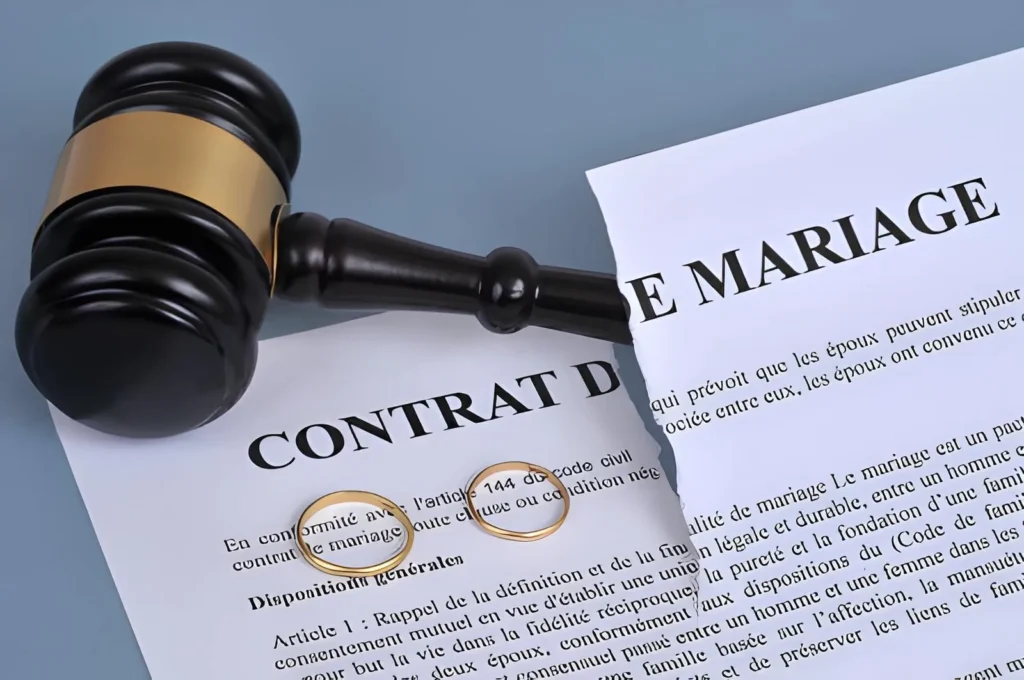
Marriage is an important commitment that brings two people together emotionally, socially, and legally. While couples often focus on building a happy future, understanding the legal issues in marriage and divorce is equally important. Marriage creates certain rights and responsibilities, while divorce involves legal procedures that can affect finances, property, children, and personal relationships.
Many couples face legal challenges because they are unfamiliar with family laws and their responsibilities. Understanding common marriage and divorce legal issues can help individuals protect their rights, avoid unnecessary disputes, and make informed decisions.
This article explores the most common legal issues in marriage and divorce, including property division, child custody, financial support, and legal agreements.
Understanding the Legal Aspects of Marriage
Marriage is more than a personal relationship. It is also a legally recognized union that establishes specific rights and obligations between spouses.
Depending on the jurisdiction, marriage laws may address property ownership, inheritance, financial responsibilities, taxation, and parental rights. Couples must satisfy legal requirements before their marriage can be officially recognized.
These requirements may include minimum age restrictions, valid consent, identification documents, and marriage registration.
Understanding these legal obligations helps couples establish a secure foundation and avoid complications in the future.
1. Marriage Registration and Legal Requirements
One of the most common legal issues in marriage involves proper registration and compliance with marriage laws.
Different states and countries have specific requirements regarding marriage licenses, waiting periods, witnesses, and official documentation.
Failure to meet these requirements may create questions about the marriage’s legal validity.
Couples should ensure that their marriage is properly documented and recognized by the appropriate government authorities. Keeping copies of marriage certificates and related documents can prevent future legal difficulties.
2. Prenuptial and Postnuptial Agreements
Prenuptial agreements are legal contracts signed before marriage that explain how certain financial matters will be handled if the marriage ends.
These agreements commonly address property ownership, debts, business interests, and financial assets.
Similarly, postnuptial agreements are created after marriage and may establish financial arrangements between spouses.
Such agreements can help reduce disputes during divorce proceedings. However, their enforceability depends on local laws, fair disclosure, and other legal requirements.
Both spouses should consider independent legal advice before signing an agreement.
3. Property Division During Divorce
Property division is among the most challenging legal issues in divorce. When a marriage ends, couples must determine how their shared assets and debts will be distributed.
Marital property may include:
- Residential homes and investment properties
- Bank accounts and savings
- Vehicles and valuable possessions
- Retirement accounts and investments
- Business ownership interests
- Joint loans and financial obligations
Some jurisdictions follow community property rules, while others apply equitable distribution principles.
Equitable distribution generally aims for a fair division rather than necessarily an equal one.
Property acquired before marriage, inheritances, and gifts may receive different treatment depending on applicable laws and circumstances.
4. Child Custody and Parental Responsibilities
Child custody is often one of the most emotionally difficult aspects of divorce.
When parents separate, courts may need to determine where children will live and how important decisions concerning their upbringing will be made.
Custody arrangements generally involve two major considerations: physical custody, concerning living arrangements, and legal custody, concerning decision-making authority.
Courts commonly prioritize the child’s best interests when evaluating custody disputes.
Factors may include parental involvement, the child’s safety, emotional needs, stability, and each parent’s ability to provide appropriate care.
Parents are encouraged to develop cooperative parenting arrangements whenever possible.
5. Child Support Obligations
Child support is another important legal responsibility following divorce or separation.
It generally involves financial contributions from one parent to help cover the child’s living expenses.
These expenses may include education, healthcare, housing, food, clothing, and other essential needs.
Child support calculations vary by jurisdiction and may consider parental income, custody arrangements, and the child’s financial requirements.
Failing to comply with a court-ordered child support arrangement can result in enforcement actions, including wage withholding or other legal penalties.
Parents should understand their obligations and seek legal modifications when significant financial circumstances change.
6. Spousal Support and Alimony
Spousal support, commonly called alimony, refers to financial assistance that one spouse may be required to provide to the other following separation or divorce.
Courts may consider several factors when determining whether support is appropriate.
These factors can include the duration of the marriage, earning capacity, financial resources, health, and contributions made during the relationship.
Spousal support may be temporary, rehabilitative, or longer-term, depending on applicable laws.
Not every divorce results in an alimony award, and the amount and duration can vary significantly.
7. Domestic Violence and Protective Orders
Domestic violence is a serious legal issue that can affect marriage, separation, and divorce proceedings.
Abuse may involve physical violence, threats, harassment, coercive control, or other harmful behavior recognized under applicable law.
Individuals experiencing domestic violence may be eligible to request protective or restraining orders.
These legal measures can restrict contact, establish temporary living arrangements, or provide other protections.
Domestic violence allegations may also influence child custody decisions and related family court proceedings.
Anyone facing immediate danger should contact local emergency services or an appropriate domestic violence support organization.
8. Financial Debts and Liabilities
Marriage often involves shared financial responsibilities, including mortgages, credit cards, personal loans, and business debts.
During divorce, determining responsibility for outstanding debts can become complicated.
A divorce agreement may assign certain debts to one spouse, but this does not necessarily release the other spouse from obligations to lenders.
For example, creditors may still pursue both individuals when their names remain on a joint loan.
Reviewing financial records and understanding contractual responsibilities can help prevent unexpected financial problems after divorce.
9. Divorce Procedures and Legal Documentation
Divorce requires following established legal procedures, which vary depending on the jurisdiction.
Common steps may include filing a divorce petition, notifying the other spouse, exchanging financial information, negotiating settlements, and obtaining a final court order.
Some jurisdictions permit no-fault divorce, while others recognize additional legal grounds.
Incomplete paperwork, missed deadlines, or disagreements over financial disclosures can delay proceedings.
Consulting a qualified family law attorney can help individuals understand procedural requirements and protect their legal interests.
10. Mediation and Alternative Dispute Resolution
Not every divorce requires lengthy courtroom litigation.
Divorce mediation allows couples to work with a neutral professional to discuss disagreements and develop mutually acceptable solutions.
Mediation may address property division, parenting schedules, financial support, and other family matters.
It can sometimes reduce legal expenses, improve communication, and shorten the divorce process.
However, mediation may not be appropriate when domestic violence, intimidation, or serious power imbalances prevent fair participation.
How to Avoid Common Marriage and Divorce Legal Problems
Preventing legal disputes begins with financial transparency, effective communication, and an understanding of applicable family laws.
Couples should maintain accurate financial records, discuss major financial decisions, and consider written agreements when appropriate.
During separation, both individuals should avoid hiding assets, ignoring legal notices, or making important financial decisions without understanding their consequences.
Professional legal guidance can be particularly valuable when children, significant assets, business ownership, or international legal questions are involved.
Conclusion
Understanding the common legal issues in marriage and divorce is essential for protecting individual rights and managing family responsibilities.
From marriage registration and prenuptial agreements to property division, child custody, alimony, and financial debts, each issue can have lasting consequences.
Being informed, maintaining accurate documentation, and seeking professional legal advice can help couples navigate complex situations more effectively.
Although marriage and divorce laws differ across jurisdictions, careful planning and responsible decision-making can reduce conflicts and support fairer outcomes for everyone involved.
Disclaimer: This article provides general legal information and does not constitute legal advice. Marriage and divorce laws vary by country and state. Consult a qualified family law attorney for advice specific to your circumstances.
Also Read About: Legal Responsibilities of Rental Property Owners: A Complete Guide for Landlords
