

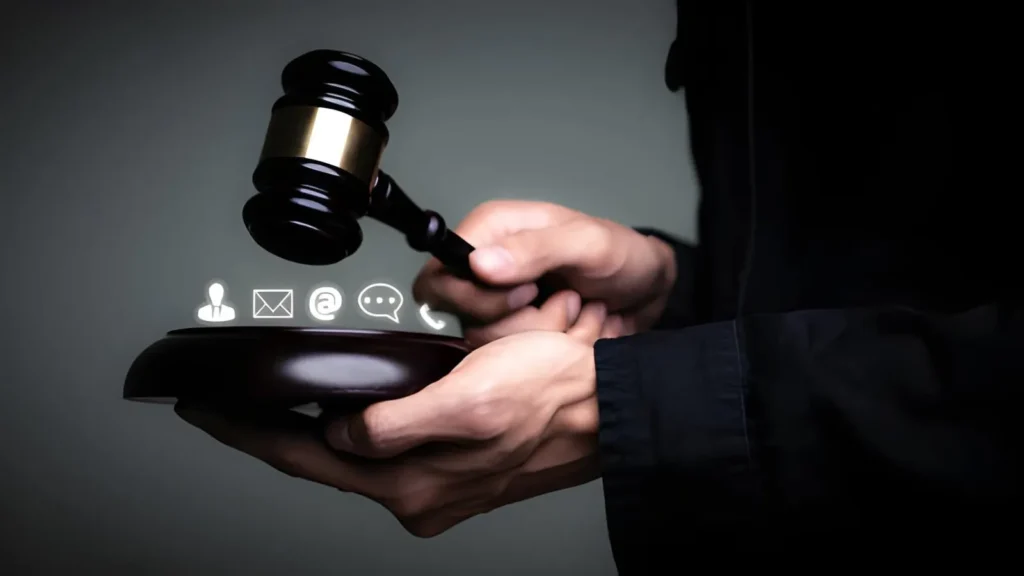
Social media has become an essential part of modern life, allowing people to communicate, share experiences, promote businesses, and stay informed. Platforms such as Facebook, Instagram, TikTok, LinkedIn, and X provide countless opportunities for personal and professional connections. However, these benefits also come with several legal risks of using social media that many users overlook.
Posting photographs, sharing opinions, commenting on controversial topics, or promoting products online can sometimes lead to legal consequences. Issues involving privacy violations, copyright infringement, defamation, cyberbullying, and misleading advertisements can create serious problems for individuals and businesses.
Understanding the common legal risks of using social media is important for protecting your reputation, personal information, and financial interests. This article explores major social media legal issues and provides practical tips for avoiding unnecessary legal trouble.
1. Defamation and False Statements
One of the most common legal risks associated with social media is defamation. Defamation generally involves making false statements of fact that harm another person’s reputation.
For example, publicly accusing someone of criminal activity without reliable evidence could lead to a defamation lawsuit. Businesses may also face legal complaints when employees or representatives publish damaging false information about competitors.
Social media posts can spread rapidly, making reputational damage more significant.
To reduce defamation risks, users should verify information before sharing it, avoid making unsupported accusations, and clearly distinguish personal opinions from factual claims.
2. Copyright Infringement
Copyright infringement is another major legal concern for social media users. Many people share photographs, videos, music, and written content without considering ownership rights.
Copyright laws generally protect original creative works, including photographs, artwork, videos, and written materials. Using someone else’s copyrighted content without permission may result in removal requests, account penalties, or legal action.
For example, a business that uses a photographer’s image in an advertisement without authorization could face a copyright infringement claim.
Users should create original content, obtain appropriate licenses, or use materials with permissions that cover their intended purpose. Giving credit to the creator does not automatically make unauthorized use legal.
3. Privacy Violations and Personal Information
Privacy is one of the biggest concerns surrounding social media activities. Sharing private information about another person without permission can create legal problems, depending on the circumstances and applicable laws.
Publishing confidential documents, private messages, personal addresses, or sensitive photographs may violate privacy rights.
Businesses face additional responsibilities when collecting customer information through social media campaigns.
Privacy regulations, including the General Data Protection Regulation (GDPR) in the European Union, may apply to certain organizations handling personal data.
Individuals and businesses should obtain appropriate consent, limit unnecessary data collection, and avoid publishing sensitive information without authorization.
4. Cyberbullying and Online Harassment
Cyberbullying and online harassment are serious problems across social media platforms. Repeated threatening messages, targeted abuse, stalking, and intimidation may lead to legal consequences.
Although laws differ between jurisdictions, certain forms of online harassment can result in civil claims or criminal investigations.
For example, sending repeated threats or publishing someone’s personal information to encourage harassment may violate applicable laws.
Users should communicate respectfully, avoid threatening behavior, and report abusive activity through platform reporting systems.
Victims of serious online harassment should preserve relevant evidence, including screenshots, messages, and account information.
5. Misleading Advertising and False Promotions
Businesses frequently use social media to advertise products and services. However, misleading marketing practices can expose companies to regulatory penalties and consumer complaints.
Advertising laws generally prohibit deceptive claims about products, prices, benefits, and performance.
For example, promoting a skincare product with unsupported claims that it guarantees medical results may create legal risks.
In the United States, the Federal Trade Commission (FTC) regulates deceptive advertising and requires appropriate disclosure of material connections between influencers and brands.
Businesses should ensure advertisements are accurate, maintain evidence supporting promotional claims, and clearly disclose paid partnerships when required.
6. Trademark Infringement and Brand Misuse
Trademarks protect certain names, logos, symbols, and other identifiers associated with businesses.
Using another company’s protected branding in a way that creates consumer confusion may constitute trademark infringement.
For example, creating a social media account that imitates an established business and misleads customers about its identity could result in legal action.
Businesses should develop distinctive branding and avoid using competitors’ trademarks in misleading ways.
However, mentioning a brand for legitimate reviews, comparisons, or commentary does not automatically constitute infringement.
7. Employment-Related Legal Risks
Social media activity can affect employment relationships. Employees sometimes share confidential company information, criticize coworkers, or publish inappropriate workplace content.
Disclosing trade secrets, customer records, or confidential business strategies may violate employment agreements or applicable laws.
Employers must also consider employees’ legal rights when developing social media policies.
In the United States, certain employee discussions about wages and working conditions may be protected under federal labor law.
Both employers and employees should understand workplace confidentiality requirements, applicable employment protections, and organizational social media policies.
8. Identity Theft and Online Impersonation
Social media accounts often contain personal details that criminals can exploit for identity theft, fraud, or impersonation.
Fraudsters may create fake profiles, misuse photographs, or pretend to represent legitimate businesses.
Such activities can lead to financial losses, reputational damage, and legal disputes.
Users should protect accounts with strong passwords and multifactor authentication. They should also avoid publicly sharing sensitive identification or financial information.
Businesses should monitor impersonation attempts and report fraudulent accounts promptly.
9. Sharing Illegal or Harmful Content
Publishing or distributing certain types of content can violate criminal or civil laws.
Examples may include unlawful threats, illegal intimate-image distribution, fraudulent schemes, or content that unlawfully exploits children.
Users may also face legal consequences for participating in unlawful online activities, even when operating through anonymous accounts.
Importantly, social media platforms have their own community standards, which may be stricter than applicable laws.
Understanding both legal requirements and platform policies helps users make responsible decisions about online content.
10. Social Media Contests and Giveaways
Social media giveaways are popular marketing tools, but they can create unexpected legal challenges.
Contests involving prizes, random selections, or entry requirements may be subject to advertising, consumer protection, and gambling-related regulations.
For example, requiring participants to make a purchase to enter a random prize drawing may raise legal concerns in some jurisdictions.
Businesses should publish clear participation rules, explain eligibility requirements, and comply with applicable promotional laws.
They should also review each platform’s contest policies before launching campaigns.
How to Avoid Legal Problems on Social Media
Preventing legal issues requires awareness and responsible online behavior. Individuals and businesses can reduce potential risks by following several practical precautions:
- Verify information: Check factual claims before publishing or sharing them.
- Respect intellectual property: Obtain permission before using protected creative materials.
- Protect personal information: Avoid exposing confidential or sensitive data.
- Follow advertising regulations: Make truthful claims and disclose sponsorships when required.
- Maintain professional communication: Avoid harassment, threats, and defamatory statements.
- Review privacy settings: Control account access and limit unnecessary public information.
- Understand local laws: Learn which legal requirements apply to your location and activities.
Businesses should also consider establishing written social media policies and providing employee training.
Conclusion
Social media offers valuable opportunities for communication, entertainment, and business growth. However, users must recognize the legal risks of using social media to avoid unnecessary disputes and financial consequences.
Defamation, copyright infringement, privacy violations, cyberbullying, misleading advertisements, and trademark misuse are among the most important concerns.
By understanding these risks, respecting others’ rights, and following applicable regulations, individuals and businesses can enjoy social media more safely.
Responsible social media use protects personal reputations, strengthens consumer trust, and reduces the likelihood of legal complications.
Because laws vary across countries and circumstances, seeking advice from a qualified legal professional is advisable when facing a specific legal dispute.
Also Read About: How to Improve Indoor Air Quality Naturally: 12 Simple Ways for a Healthier Home
