

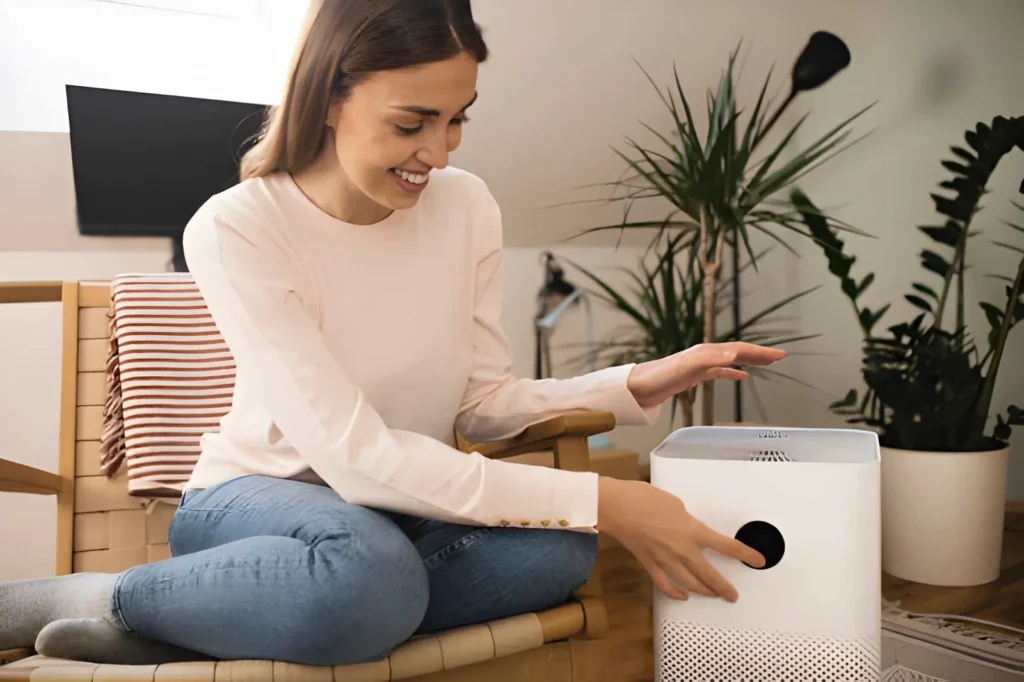
Indoor air quality plays an important role in maintaining a healthy and comfortable living environment. Many people focus on outdoor pollution while overlooking the air inside their homes. However, indoor spaces can contain dust, allergens, mold spores, chemical fumes, and other pollutants that may affect respiratory health and overall well-being.
Learning how to improve indoor air quality naturally can help create a cleaner and fresher home without relying heavily on chemical-based products. Simple lifestyle changes, regular cleaning, proper ventilation, and moisture control can significantly reduce indoor air pollution.
In this guide, we will explore practical and affordable ways to improve indoor air quality naturally while making your home healthier for everyone.
1. Improve Ventilation Throughout Your Home
Proper ventilation is one of the most effective ways to improve indoor air quality. Fresh outdoor air can help dilute pollutants that accumulate inside enclosed spaces.
Opening windows and doors when outdoor air conditions are good allows stale indoor air to escape. Cross-ventilation, which involves opening windows on opposite sides of a room, can improve airflow.
Tips for better home ventilation:
- Open windows when outdoor pollution and pollen levels are low.
- Use kitchen exhaust fans while cooking.
- Run bathroom ventilation fans during and after showers.
- Keep ventilation openings clean and unobstructed.
Avoid opening windows during heavy pollution, wildfire smoke, or high-pollen conditions. Proper ventilation helps maintain a fresher and more comfortable indoor environment.
2. Keep Your Home Clean and Dust-Free
Dust is a common indoor pollutant that can contain pollen, pet dander, dust mite particles, and other allergens. Regular cleaning helps prevent these particles from accumulating.
Vacuum carpets, rugs, and upholstered furniture frequently. Using a vacuum cleaner equipped with a HEPA filter can help capture fine particles more effectively.
Clean hard surfaces with a damp microfiber cloth rather than dry dusting, which may release particles into the air.
Pay special attention to bedrooms, living rooms, and frequently used spaces. Maintaining a consistent cleaning schedule can noticeably reduce household dust.
3. Control Indoor Humidity Levels
Excessive moisture encourages mold growth and creates favorable conditions for dust mites. Maintaining balanced indoor humidity is essential for healthy air quality.
The ideal indoor relative humidity is generally between 30% and 50%. A hygrometer can help monitor humidity levels.
To reduce excessive moisture, repair leaking pipes, improve bathroom ventilation, and avoid leaving wet clothes indoors for extended periods.
In humid climates, a dehumidifier may be necessary to maintain appropriate moisture levels. Controlling humidity helps protect furniture, walls, and indoor air quality.
4. Choose Natural and Fragrance-Free Cleaning Products
Many conventional cleaning products contain fragrances and chemicals that release volatile organic compounds, commonly called VOCs.
These substances can contribute to indoor air pollution and may irritate sensitive individuals.
Choose fragrance-free cleaning products with simple ingredient lists. Mild soap and water are effective for many everyday cleaning tasks.
Baking soda can help remove certain odors and clean suitable surfaces. Vinegar may be useful for some household cleaning applications, although it is not a registered disinfectant.
Never mix vinegar with bleach, as the combination can release dangerous chlorine gas.
Reducing unnecessary chemical products helps limit indoor pollutant sources.
5. Add Indoor Plants for Natural Beauty
Indoor plants can make living spaces more attractive and create a relaxing atmosphere. Popular choices include spider plants, peace lilies, and snake plants.
Although laboratory experiments have demonstrated that certain plants can absorb specific airborne chemicals, ordinary houseplants do not remove indoor pollutants effectively enough to replace ventilation or air filtration.
Their main benefits include improving interior aesthetics and supporting a pleasant home environment.
Avoid overwatering plants because excessively damp soil may encourage mold growth. Choose pet-safe varieties when animals live in your home.
6. Reduce Indoor Smoke and Burning Activities
Smoke from cigarettes, candles, incense, fireplaces, and other burning materials can introduce harmful particles and gases into indoor air.
Creating a smoke-free home is one of the most important steps toward improving indoor air quality.
Avoid smoking indoors and reduce unnecessary burning activities. If you use a fireplace or wood-burning stove, ensure it is properly maintained and vented.
Consider flameless candles instead of traditional scented candles. These alternatives provide decorative lighting without producing combustion-related particles.
Reducing smoke sources can make indoor air cleaner and safer.
7. Wash Bedding and Curtains Regularly
Bedrooms often contain allergens that accumulate in mattresses, pillows, blankets, and curtains.
Dust mites thrive in bedding, particularly in warm and humid environments. Washing sheets and pillowcases weekly can help reduce allergens.
Use appropriate washing temperatures according to fabric care instructions. For dust mite allergies, washing suitable bedding in hot water can be especially helpful.
Curtains should also be cleaned regularly because they collect airborne dust.
Maintaining clean bedding contributes to a healthier sleeping environment and may reduce allergy symptoms.
8. Remove Shoes Before Entering Your Home
Outdoor shoes can carry dirt, pollen, pesticides, and other contaminants into living spaces.
Establishing a no-shoes policy indoors is a simple way to reduce the amount of outdoor debris entering your home.
Place a shoe rack near the entrance and provide comfortable indoor slippers for family members and guests.
Using durable doormats outside and inside entrances can further reduce tracked-in dirt.
This small daily habit can help keep floors cleaner and minimize the spread of unwanted particles.
9. Prevent Mold Growth Naturally
Mold can develop in damp areas such as bathrooms, kitchens, basements, and poorly ventilated rooms.
Mold spores may trigger allergic reactions and respiratory symptoms in sensitive individuals.
Prevent mold by addressing moisture problems promptly. Repair plumbing leaks, dry wet surfaces, and ensure adequate airflow.
Clean small areas of mold on suitable hard surfaces using appropriate cleaning methods and protective precautions.
For extensive mold contamination or recurring moisture problems, professional assessment may be necessary.
The most effective long-term solution is eliminating the moisture source rather than simply covering visible mold.
10. Maintain Kitchen Air Quality
Cooking can produce fine particles, moisture, and gases that affect indoor air quality.
Gas stoves can also release nitrogen dioxide and other combustion pollutants.
Use a properly vented range hood whenever possible, especially when frying, grilling, or cooking at high temperatures.
Cover pots when appropriate and clean cooking surfaces regularly to prevent grease buildup.
Avoid overheating cooking oils, which can generate additional airborne particles.
Good kitchen ventilation helps reduce cooking-related pollution throughout the home.
11. Choose Low-VOC Furniture and Paint
Furniture, flooring, paints, adhesives, and building materials may release chemicals into indoor air.
When renovating or decorating, consider products labeled low-VOC or zero-VOC. These labels can help guide purchasing decisions, although they do not guarantee that a product is completely emission-free.
Allow newly painted rooms and newly installed furnishings to ventilate adequately according to manufacturer instructions.
Choose materials carefully and avoid unnecessary chemical air fresheners that merely cover odors.
Reducing pollutants at their source is generally more effective than attempting to mask unpleasant smells.
12. Maintain Your HVAC System and Air Filters
Heating, ventilation, and air conditioning systems influence how air circulates throughout your home.
Dirty filters may reduce airflow and allow more particles to circulate.
Inspect and replace HVAC filters according to manufacturer recommendations. Where compatible, higher-efficiency filters can improve particle removal.
Keep air vents unobstructed and maintain the system regularly.
Although filter maintenance is not a completely natural method, it supports a cleaner indoor environment without introducing additional chemicals.
Additional Daily Habits for Better Indoor Air Quality
Improving indoor air quality does not require expensive renovations. Consistent daily habits can make a meaningful difference.
Avoid excessive use of aerosol sprays, store household chemicals securely, dispose of garbage regularly, and keep damp areas dry.
Address unpleasant odors by identifying their sources rather than covering them with artificial fragrances.
Remember that natural methods cannot remove every pollutant. Homes should also have appropriate carbon monoxide alarms, and radon testing is important in areas where exposure may occur.
Conclusion
Understanding how to improve indoor air quality naturally helps homeowners create healthier and more comfortable living spaces. Simple practices such as improving ventilation, controlling humidity, cleaning regularly, reducing smoke, and choosing low-emission products can significantly reduce indoor pollutants.
The most effective approach combines pollution prevention, adequate ventilation, moisture management, and proper filtration when needed.
By adopting these practical habits consistently, you can enjoy a fresher, cleaner home while supporting the long-term health and comfort of your family.
Also Read About: The Benefits of Installing Energy-Efficient Windows
