

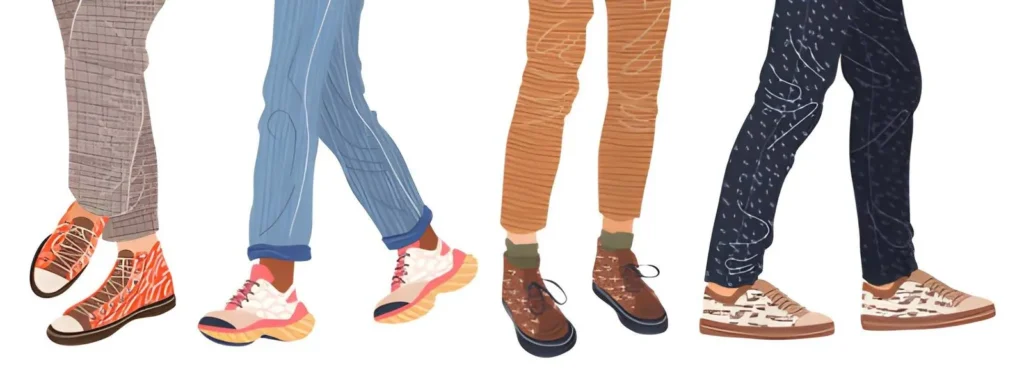
Choosing the right shoes can completely transform your appearance. Whether you are dressing for work, attending a formal event, or enjoying a casual weekend, your footwear plays an important role in completing your outfit. Understanding how to match shoes with different clothing styles helps you create fashionable, comfortable, and well-balanced looks.
Shoes are more than practical accessories. They reflect your personality, complement your clothing, and influence your overall style. With countless footwear designs available, selecting the perfect pair may sometimes feel challenging.
This guide explores practical shoe-matching tips, popular footwear combinations, and simple styling techniques to help you dress confidently for different occasions.
Understanding the Basics of Shoe Matching
Before exploring specific clothing styles, it is important to understand the basic principles of matching shoes with outfits.
The right footwear should complement your clothing rather than compete with it. Consider the occasion, outfit colors, fabric textures, and overall appearance when choosing shoes.
For example, sneakers work beautifully with casual clothing, while leather dress shoes generally complement formal outfits.
Comfort, color coordination, and occasion suitability are three essential factors when creating a balanced look.
How to Match Shoes With Casual Outfits
Casual clothing focuses on comfort, simplicity, and everyday practicality. Jeans, T-shirts, hoodies, and relaxed trousers are common casual wardrobe essentials.
Sneakers are among the best shoes for casual outfits because they provide comfort and versatility. White sneakers pair particularly well with blue jeans, black trousers, and neutral-colored shirts.
Canvas shoes are another excellent option for relaxed outfits. They work nicely with denim shorts, casual dresses, and lightweight summer clothing.
For a slightly polished casual appearance, consider loafers or simple slip-on shoes.
Avoid overly formal footwear when wearing extremely relaxed clothing unless you intentionally want to create a contrasting fashion statement.
Matching Shoes With Formal Clothing
Formal outfits require footwear that creates a sophisticated and professional appearance.
For men, Oxford shoes, Derby shoes, and polished leather loafers are popular choices for business suits and formal trousers.
Black leather shoes generally complement black, charcoal, and dark gray suits. Brown leather shoes often pair beautifully with navy blue and lighter gray suits.
For women, classic pumps, elegant flats, and refined block heels complement formal dresses, tailored trousers, and professional skirts.
Neutral footwear colors such as black, beige, and brown offer excellent versatility.
When attending formal events, choose clean, well-maintained shoes that match the level of sophistication of your clothing.
Best Shoes to Wear With Jeans
Jeans are among the most versatile clothing items because they can create both casual and smart-casual outfits.
The ideal footwear depends on the jeans’ cut, color, and overall styling.
Skinny jeans pair well with ankle boots, sneakers, and ballet flats. These combinations create a streamlined appearance.
Straight-leg jeans look attractive with loafers, classic sneakers, and Chelsea boots.
Wide-leg jeans work beautifully with platform sneakers, chunky boots, and structured heels.
For a smart-casual look, combine dark jeans with leather loafers or ankle boots.
Consider the length of your jeans to ensure your shoes remain visible and your outfit looks balanced.
How to Match Shoes With Dresses
Dresses offer endless styling opportunities, and the right shoes can change their overall appearance.
For casual summer dresses, sandals, ballet flats, and white sneakers create comfortable, fashionable combinations.
Midi dresses often look elegant with ankle boots, block heels, or simple flats.
For formal evening dresses, classic pumps and refined heeled sandals can create a sophisticated appearance.
Maxi dresses pair beautifully with flat sandals, wedges, and carefully selected heels, depending on the occasion.
When wearing patterned dresses, neutral-colored shoes help maintain visual balance. Solid-colored dresses provide more opportunities to experiment with colorful footwear.
Choosing Shoes for Business-Casual Outfits
Business-casual fashion combines professional appearance with everyday comfort.
Common business-casual clothing includes chinos, tailored trousers, button-down shirts, blouses, and structured skirts.
Loafers are particularly suitable because they offer a polished appearance without appearing excessively formal.
Leather ankle boots, ballet flats, and minimal sneakers may also work in workplaces with relaxed dress codes.
For example, beige chinos paired with a white shirt and brown loafers create a timeless business-casual outfit.
The goal is to select comfortable yet professional footwear that complements your clothing and workplace expectations.
How to Coordinate Shoe Colors With Clothing
Color coordination is essential when learning how to match shoes with different outfits.
Neutral shoes are generally easier to style because they complement numerous clothing colors.
Black footwear works well with dark outfits, monochromatic clothing, and formal attire.
Brown shoes complement earth tones, navy blue, beige, and olive green.
White sneakers create fresh combinations with denim, pastel colors, and casual clothing.
For colorful outfits, choose shoes that complement one of the existing shades or provide a subtle neutral contrast.
You can also use statement footwear, such as red heels or metallic sandals, to add personality to simple clothing.
The key is creating visual harmony rather than matching every color exactly.
Matching Shoes With Seasonal Clothing
Different seasons influence footwear choices because weather conditions affect both comfort and practicality.
Spring and Summer
During warmer months, lightweight footwear is usually more comfortable.
Sandals, canvas sneakers, espadrilles, and breathable flats complement summer dresses, shorts, and linen trousers.
Light-colored footwear also works beautifully with bright seasonal outfits.
Fall and Winter
Cooler seasons often require more protective footwear.
Ankle boots, Chelsea boots, knee-high boots, and weather-resistant shoes complement sweaters, coats, jeans, and layered clothing.
Leather and suede-style textures can add visual interest to winter outfits, although suede requires additional protection in wet conditions.
Choose footwear appropriate for the weather without sacrificing your personal style.
Common Shoe-Matching Mistakes to Avoid
Even fashionable outfits can appear unbalanced when paired with unsuitable footwear.
One common mistake is wearing shoes that do not match the occasion. Extremely casual sneakers, for example, may appear inappropriate at traditional formal events.
Another mistake involves ignoring proportions. Bulky footwear can overwhelm delicate clothing, while very slim shoes may look less balanced with oversized outfits.
Poor color coordination can also distract from an otherwise attractive outfit.
Additionally, wearing uncomfortable shoes simply because they look fashionable can negatively affect your confidence and mobility.
Prioritize proper fit, balanced proportions, and occasion-appropriate styling when selecting footwear.
Tips for Building a Versatile Shoe Collection
Creating a practical footwear collection makes everyday outfit planning easier.
Instead of purchasing numerous trendy shoes, focus on versatile designs that complement multiple clothing styles.
A useful collection might include:
- White sneakers for everyday casual outfits.
- Black dress shoes or pumps for formal occasions.
- Brown loafers for smart-casual clothing.
- Ankle boots for cooler weather.
- Comfortable sandals for warm days.
- Simple flats for relaxed and semi-formal outfits.
Choose quality footwear that fits comfortably and suits your lifestyle.
Maintaining your shoes through regular cleaning and appropriate storage also helps preserve their appearance.
Conclusion
Learning how to match shoes with different clothing styles is an essential part of developing a confident and versatile wardrobe. From casual sneakers and stylish loafers to elegant heels and practical boots, every footwear style serves a different purpose.
The best shoe combinations depend on clothing design, color coordination, seasonal conditions, and the occasion.
By understanding basic styling principles and investing in versatile footwear, you can create attractive outfits without unnecessary complications.
Ultimately, successful shoe matching is about finding the right balance between fashion, comfort, and personal expression.
Also Read About: How to Organize Your Closet for Better Outfit Planning
