

Clothing is an important part of everyday life, and keeping your favorite outfits in excellent condition can save money while reducing unnecessary waste. Whether you own expensive designer pieces or affordable everyday clothing, proper care can help maintain their appearance, comfort, and durability for years.
Many people replace clothes because of fading colors, shrinking fabrics, loose stitching, or damage caused by improper washing. Fortunately, learning simple ways to make your clothes last longer can prevent many of these common problems.
By developing better laundry habits, storing garments correctly, and handling minor repairs, you can extend the lifespan of your wardrobe without spending much money. This guide explores practical clothing care tips that help keep your clothes looking fresh and attractive.
1. Always Read Clothing Care Labels
One of the easiest ways to protect your clothes is to follow the instructions printed on their care labels. Manufacturers provide these guidelines to help prevent damage during washing, drying, and ironing.
Different fabrics require different care methods. Cotton clothing may tolerate regular machine washing, while silk, wool, and delicate materials often need gentler treatment.
Before washing any garment, check its recommended water temperature, washing method, and drying instructions.
Following clothing care labels can help prevent shrinking, fading, stretching, and fabric damage. This small habit can significantly improve the lifespan of your favorite outfits.
2. Wash Your Clothes Less Frequently
Washing clothes too often can gradually weaken fabric fibers and cause colors to fade. Although regular cleaning is necessary for hygiene, not every garment needs washing after a single use.
Items such as jeans, sweaters, jackets, and outerwear can often be worn multiple times before washing, depending on how dirty or sweaty they become.
Instead of immediately placing lightly worn clothing in the laundry basket, consider airing it out.
You can also remove small stains using a damp cloth and a suitable cleaning product.
Reducing unnecessary washing helps preserve fabric quality while saving water, electricity, and laundry detergent.
3. Use Cold Water When Washing
Hot water can damage certain fabrics, accelerate color fading, and cause some garments to shrink. Washing with cold water is often a safer option for everyday clothing.
Modern laundry detergents are frequently designed to clean effectively at lower temperatures, making cold-water washing practical for many garments.
Cold water is especially useful for dark-colored clothes, delicate fabrics, and clothing that may shrink.
However, heavily soiled garments and certain hygiene-related laundry loads may require warmer temperatures according to their care instructions.
Choosing the appropriate water temperature helps protect clothing fibers and maintain original colors for longer.
4. Turn Clothes Inside Out Before Washing
Turning garments inside out is a simple laundry trick that can help protect their outer surfaces.
During washing, clothing rubs against other garments and the washing machine drum. This friction may gradually damage printed designs, decorative details, and fabric surfaces.
Turning clothes inside out reduces direct abrasion on the visible side of the garment.
This technique is particularly helpful for jeans, graphic T-shirts, dark-colored clothing, and printed dresses.
It can also reduce visible wear on embroidered designs and decorative finishes.
Making this a regular habit can help your clothes maintain a newer appearance.
5. Avoid Using Too Much Laundry Detergent
Many people believe that adding extra detergent makes clothing cleaner. However, using too much detergent can leave residue on fabrics and make rinsing less effective.
Detergent buildup may cause clothing to feel stiff, look dull, or develop unpleasant odors over time.
Always measure detergent according to the product instructions, washing machine recommendations, and laundry load size.
High-efficiency washing machines typically require specially formulated detergents and appropriate quantities.
Using the correct amount helps maintain soft, clean, and comfortable clothing while avoiding unnecessary product waste.
6. Separate Clothes Before Washing
Sorting laundry is another important step in making clothes last longer.
Washing dark and light garments together can cause unwanted color transfer, especially when new clothing releases excess dye.
Separating clothes by color, fabric type, and washing requirements helps reduce this risk.
Heavy garments such as jeans and towels should also be washed separately from delicate items when possible.
Rough fabrics, zippers, and buttons can create friction that damages lightweight materials.
Proper laundry sorting helps protect clothing from fading, snagging, and unnecessary wear.
7. Air-Dry Clothes Whenever Possible
Frequent exposure to high dryer temperatures can contribute to fabric shrinkage, weakening, and premature wear.
Air-drying is often a gentler alternative that helps maintain garment shape and texture.
You can hang suitable clothing on a drying rack or clothesline in a well-ventilated area.
However, some garments, particularly heavy knitted sweaters, should be dried flat to prevent stretching.
Avoid leaving brightly colored clothing under strong direct sunlight for extended periods because ultraviolet exposure can cause fading.
Gentle drying methods can improve clothing durability while reducing household energy consumption.
8. Store Your Clothes Properly
Proper storage is essential for keeping clothes in good condition between uses.
Crowded closets can cause wrinkles, fabric distortion, and unnecessary friction between garments.
Use suitable hangers for shirts, jackets, and dresses. Fold heavy sweaters and knitted clothing instead of hanging them because their weight may stretch the shoulders.
Keep your wardrobe clean, dry, and well-ventilated to discourage moisture buildup and unpleasant odors.
For seasonal clothing, use breathable storage containers or garment bags when appropriate.
Organized storage helps maintain clothing shape and makes outfit planning easier.
9. Repair Small Clothing Problems Immediately
Minor clothing damage does not always mean that an item needs replacing.
Loose buttons, small holes, broken seams, and minor tears can often be repaired quickly with basic sewing supplies.
Ignoring these problems may allow the damage to become more serious.
Learning simple sewing techniques can save money and extend the useful life of your wardrobe.
For more complicated repairs, consider visiting a professional tailor.
Repairing clothes instead of replacing them is also a practical way to support sustainable fashion and reduce textile waste.
10. Treat Stains as Quickly as Possible
Stains become more difficult to remove when they remain on fabric for extended periods.
Whenever possible, address spills immediately using a suitable cleaning method.
Gently blot liquid stains instead of rubbing them aggressively, which may spread the stain or damage fabric fibers.
Different stains require different treatments. Oil, coffee, makeup, and ink may respond differently to cleaning products.
Always test unfamiliar stain removers on a hidden section of the garment first.
Avoid using high heat until the stain has been removed because heat can make certain stains more difficult to eliminate.
11. Protect Clothes From Excessive Ironing
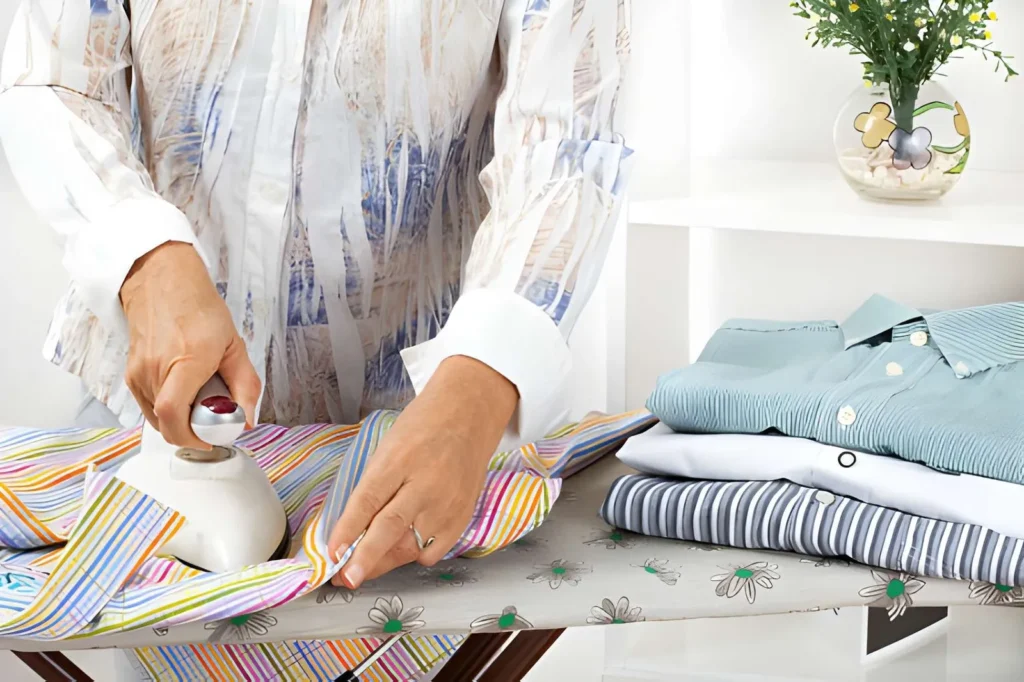
Ironing can improve clothing appearance, but excessive heat may damage delicate fibers and decorative finishes.
Always adjust your iron according to the fabric type and care label.
Use lower temperatures for synthetic materials and appropriate settings for cotton or linen.
A pressing cloth can provide additional protection for sensitive fabrics.
Steaming is another useful option for removing wrinkles from suitable garments without pressing them directly against a hot surface.
Avoid ironing over printed graphics unless the garment instructions specifically allow it.
12. Choose Quality Clothing and Rotate Your Wardrobe
Clothing durability begins with the quality of the garments you purchase.
Look for strong stitching, well-finished seams, comfortable fabrics, and durable construction.
Higher prices do not always guarantee better quality, so examine garments carefully before buying.
Rotating your wardrobe also helps prevent excessive wear on frequently used items.
Instead of wearing the same shoes, shirts, or trousers every day, alternate between suitable options.
This gives garments time to air out and reduces repeated stress on the same fabric areas.
Investing in versatile, well-made clothing can also reduce the need for frequent replacements.
Why Making Clothes Last Longer Matters
Taking care of your clothing provides several benefits beyond maintaining an attractive wardrobe.
Long-lasting clothes reduce shopping expenses because fewer replacements are necessary. They also help minimize textile waste and the environmental resources associated with manufacturing new garments.
Better clothing maintenance encourages thoughtful purchasing habits and promotes a more sustainable lifestyle.
Simple actions such as washing carefully, repairing damage, and storing garments properly can make a meaningful difference over time.
Conclusion
Learning simple ways to make your clothes last longer does not require expensive equipment or complicated routines. Small changes in everyday clothing care can protect your favorite outfits and preserve their quality.
Following care labels, washing with suitable temperatures, avoiding excessive detergent, air-drying garments, and repairing minor damage are all effective strategies.
By practicing these easy clothing maintenance tips, you can build a wardrobe that stays comfortable, stylish, and functional for longer.
Taking better care of your clothes is a smart way to save money, reduce waste, and develop more sustainable fashion habits.
Also Read About: How to Match Shoes With Different Clothing Styles: A Complete Fashion Guide
