

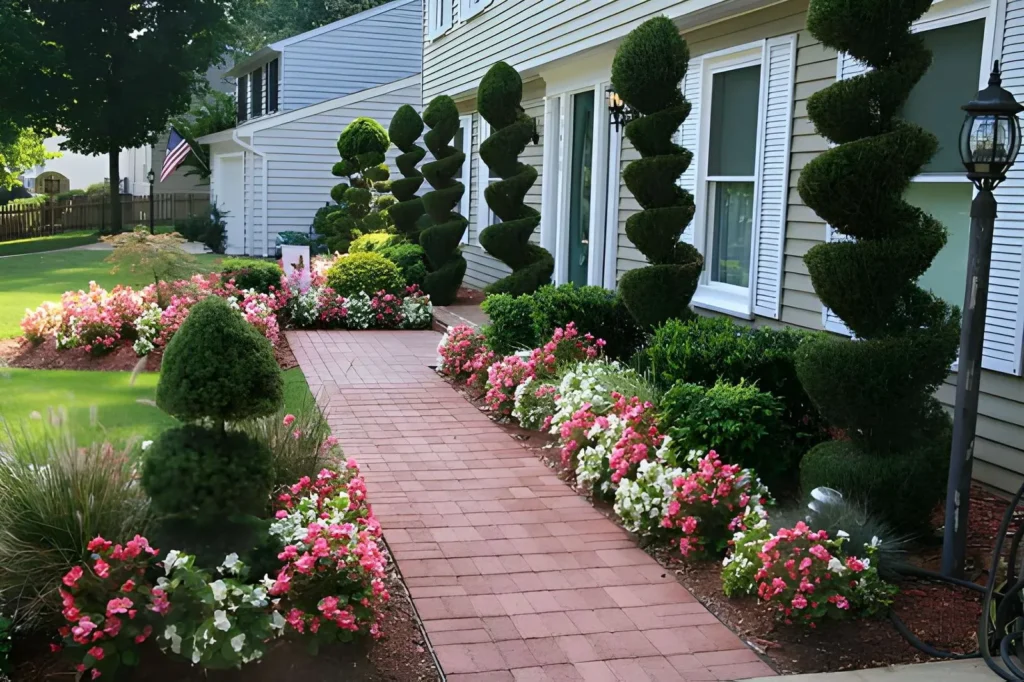
A beautiful front yard creates a welcoming atmosphere and improves the overall appearance of your home. However, landscaping a small front yard can sometimes feel challenging because of limited space. The good news is that you do not need a large garden or an expensive renovation to create an attractive outdoor area. With thoughtful planning and creative design, even the smallest front yard can become a charming and functional space.
Simple landscaping ideas for small front yards focus on maximizing available space, choosing suitable plants, and adding decorative features without making the area look crowded. Whether you prefer a modern, traditional, or natural garden design, there are plenty of affordable ways to improve your home’s curb appeal.
In this guide, we will explore practical and budget-friendly landscaping ideas that can transform your small front yard into a beautiful outdoor space.
1. Create a Simple Garden Layout
Before starting your landscaping project, develop a clear plan for your front yard. A well-organized layout helps you use every available inch effectively.
Identify areas where you want to place plants, pathways, decorative stones, or outdoor lighting. Keep the design simple and avoid adding too many elements.
Minimalist landscaping designs work particularly well in small spaces because they create a clean and organized appearance. Consider using straight lines, defined garden borders, and a limited selection of plants.
A simple layout also makes regular maintenance easier and prevents your yard from appearing overcrowded.
2. Choose Low-Maintenance Plants
Selecting the right plants is one of the most important steps in landscaping a small front yard. Choose varieties that suit your local climate, sunlight conditions, and soil type.
Low-maintenance plants can help you maintain an attractive garden without spending hours watering, trimming, or fertilizing.
Some suitable options include:
- Lavender: Adds fragrance and beautiful purple flowers in sunny, well-drained locations.
- Hostas: Provide attractive foliage in shaded areas.
- Dwarf shrubs: Offer greenery without occupying excessive space.
- Ornamental grasses: Create texture and movement.
- Succulents: Work well in suitable warm, dry conditions.
Always consider the mature size of each plant. Compact varieties are generally better for smaller gardens.
3. Add a Beautiful Stone Pathway
A small stone pathway can instantly improve the appearance of your front yard. It creates a welcoming entrance while giving the landscape a structured design.
You can use stepping stones, gravel, bricks, or concrete pavers to create an attractive walkway leading to your front door.
Natural stone pathways are particularly popular because they blend beautifully with greenery and flowers.
For a small yard, consider a narrow pathway with decorative plants along both sides. This arrangement creates visual interest without using too much space.
Choose a stable, slip-resistant surface and keep the walkway wide enough for comfortable access.
4. Use Vertical Gardening to Save Space
Vertical gardening is an excellent solution when horizontal space is limited. Instead of spreading plants across the ground, grow them upward using walls, fences, and garden structures.
You can install wall-mounted planters, hanging baskets, trellises, or vertical plant stands.
Climbing plants can also add greenery to fences and walls without occupying much ground space.
Vertical garden designs make small front yards appear greener while leaving enough room for pathways and other landscaping features.
Choose lightweight containers and secure mounting systems to ensure your vertical garden remains safe and stable.
5. Create Colorful Flower Beds
Flowers can bring life, color, and personality to a small front yard. Even a narrow flower bed along your walkway or house foundation can make a noticeable difference.
Choose flowers that bloom during different seasons to maintain visual appeal throughout the year.
Popular choices include marigolds, petunias, zinnias, and pansies, depending on your climate.
Try combining two or three complementary flower colors rather than using too many shades.
Small flower beds with defined borders create a neat appearance and make your garden look professionally designed.
6. Add Decorative Gravel and Mulch
Gravel and mulch are affordable materials that can improve the appearance of your landscaping while reducing maintenance.
Decorative gravel works well around pathways, garden borders, and suitable drought-tolerant planting areas.
Organic mulch helps retain soil moisture, moderate soil temperature, and reduce weed growth.
You can choose natural wood mulch for a traditional garden or decorative stones for a modern landscape.
Avoid placing mulch directly against tree trunks or house siding. Proper spacing helps prevent moisture-related problems.
7. Install Outdoor Landscape Lighting
Outdoor lighting can transform the appearance of your front yard after sunset. It also improves visibility along pathways and entrances.
Solar-powered garden lights are a convenient option because many models require no electrical wiring.
Place small lights along walkways, near flower beds, or around decorative garden features.
Warm lighting often creates a welcoming atmosphere, while carefully positioned spotlights can highlight attractive plants.
Energy-efficient LED landscape lighting is a practical choice for homeowners who want to improve curb appeal without significantly increasing electricity consumption.
8. Use Small Trees for Natural Beauty
Trees can provide shade, seasonal color, and visual interest. However, large trees may overwhelm a small front yard.
Instead, consider compact ornamental trees or dwarf varieties suitable for your region.
Some options include dwarf Japanese maples, compact flowering trees, and small evergreen varieties.
Before planting, research the tree’s mature height, canopy width, and root characteristics.
Position trees away from foundations, underground utilities, and overhead power lines.
A properly selected small tree can become an attractive focal point without making the yard feel crowded.
9. Add Raised Garden Beds
Raised garden beds offer an organized way to grow flowers, herbs, or small ornamental plants.
They are particularly useful for front yards with poor soil or limited planting areas.
You can build raised beds using wood, stone, bricks, or other suitable landscaping materials.
Choose compact designs that complement your home’s exterior.
Raised garden beds for small spaces also provide clear boundaries, helping the landscape appear neat and intentional.
Ensure the beds have adequate drainage and do not obstruct walkways or entry points.
10. Create an Attractive Front Door Entrance
Your front door is one of the most noticeable features of your home’s exterior. Enhancing this area can significantly improve your property’s curb appeal.
Place matching planters on both sides of the entrance to create a balanced appearance.
Choose plants with attractive foliage or seasonal flowers.
You can also add a decorative doormat, updated house numbers, or a small outdoor bench if space allows.
Keep decorations simple so the entrance remains open and welcoming.
A coordinated entrance design can make even a very small front yard look polished.
11. Maintain a Small, Healthy Lawn
If your front yard has enough space for grass, a small lawn can create a fresh and inviting appearance.
Choose a grass variety suited to your climate, sunlight exposure, and expected foot traffic.
Regular mowing, appropriate watering, and occasional fertilization help maintain healthy growth.
However, traditional lawns are not always necessary. In very small spaces, consider low-growing ground covers, planting beds, or permeable landscaping materials.
These alternatives may reduce maintenance while providing an equally attractive appearance.
12. Keep Landscaping Simple and Organized
One of the most effective small front yard landscaping tips is to avoid overcrowding.
Too many plants, decorations, and garden features can make a limited area appear smaller.
Instead, focus on a few carefully selected elements that complement each other.
Use consistent materials, coordinated plant colors, and clearly defined spaces.
Regularly remove weeds, trim overgrown plants, and clean pathways to maintain an attractive appearance.
Simple and organized landscaping often looks more elegant than complicated designs, especially in compact outdoor spaces.
Budget-Friendly Tips for Small Front Yard Landscaping
You do not need to spend thousands of dollars to improve your front yard. Many landscaping upgrades can be completed gradually using affordable materials.
Start by improving existing garden beds, dividing suitable perennial plants, or adding fresh mulch.
Consider reusing bricks or stones from previous projects to create decorative borders.
Buying smaller plants can also reduce initial expenses, although they may take longer to reach their full size.
Prioritize improvements that provide the greatest visual impact, such as entrance planters, flower beds, and pathway lighting.
Planning your purchases carefully can help you create a beautiful landscape while staying within your budget.
Conclusion
Transforming a small front yard into an attractive outdoor space does not require complicated designs or expensive materials. With careful planning, suitable plants, and a few decorative features, you can create a welcoming landscape that complements your home.
From vertical gardens and colorful flower beds to stone pathways and outdoor lighting, these simple landscaping ideas for small front yards offer practical solutions for maximizing limited space.
The key is to choose a design that matches your home’s style, local climate, and maintenance preferences. By keeping your landscaping organized and making thoughtful improvements, you can enjoy a beautiful front yard that enhances your home’s curb appeal throughout the year.
Also Read About: Healthy Breakfast Ideas to Start Your Day Right
