

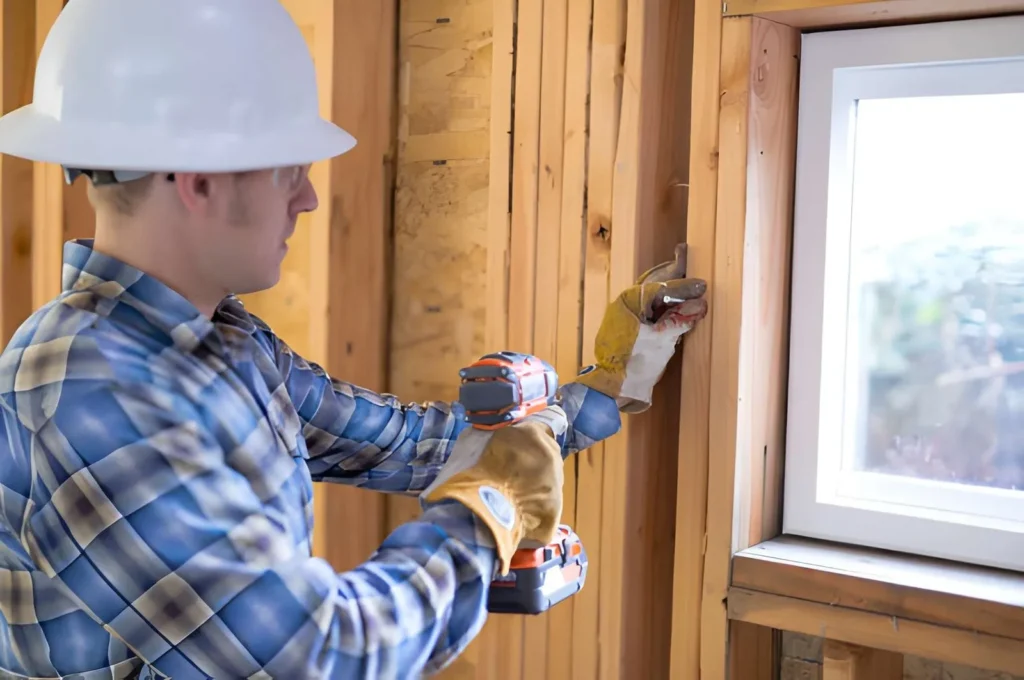
Windows are an essential part of every home, providing natural light, ventilation, and beautiful outdoor views. However, traditional windows can allow unwanted heat to enter during summer and escape during winter, increasing energy consumption and utility bills. Installing energy-efficient windows is one of the smartest home improvement investments homeowners can make to improve comfort, reduce energy waste, and increase property value.
Modern energy-efficient windows use advanced materials, insulated glass, and specialized coatings to maintain comfortable indoor temperatures throughout the year. They also offer additional benefits, including noise reduction, improved security, and protection against harmful ultraviolet rays.
In this article, we will explore the benefits of installing energy-efficient windows, how they work, and why they are a valuable addition to modern homes.
What Are Energy-Efficient Windows?
Energy-efficient windows are specially designed to minimize heat transfer between indoor and outdoor environments. Unlike traditional single-pane windows, these windows often feature double or triple glazing, insulated frames, and advanced glass coatings.
These features help maintain indoor temperatures while reducing the workload on heating and cooling systems.
Common features of energy-efficient replacement windows include:
- Double or triple-pane glass: Provides additional insulation against heat transfer.
- Low-E coatings: Reflect infrared heat while allowing natural light to enter.
- Insulated window frames: Reduce heat transfer through the frame.
- Argon or krypton gas fills: Improve insulation between glass panes.
- Weatherstripping: Prevents unwanted air leakage around windows.
Together, these technologies create a more comfortable and energy-efficient living environment.
1. Reduce Monthly Energy Bills
One of the biggest advantages of installing energy-efficient windows is the potential reduction in monthly utility expenses.
Traditional windows often allow heat to escape during colder months and enter during warmer months. Consequently, heating and cooling systems must work harder to maintain comfortable temperatures.
Energy-saving windows help minimize this problem by providing improved insulation and reducing unwanted heat transfer.
With properly installed windows, homeowners may experience lower electricity and heating bills throughout the year.
Actual savings depend on local climate, existing windows, window size, installation quality, and household energy usage.
2. Improve Indoor Comfort
Maintaining a comfortable indoor temperature is essential for a pleasant living environment.
Older windows can create uncomfortable drafts, cold spots, and excessive heat near glass surfaces. These problems often make certain rooms difficult to enjoy during extreme weather.
Energy-efficient windows help regulate indoor temperatures by limiting heat transfer and reducing air leakage.
During winter, they help retain indoor warmth. During summer, suitable glazing can reduce unwanted solar heat gain.
As a result, homeowners can enjoy consistent indoor comfort without constantly adjusting their heating or air conditioning systems.
3. Increase Property Value
Installing modern windows can improve a home’s appearance, functionality, and appeal to potential buyers.
Many homebuyers prefer properties with energy-saving features because they may offer lower operating costs and better long-term comfort.
Upgrading outdated windows can make a property more attractive in a competitive real estate market.
Additionally, energy-efficient window installation can improve the overall appearance of a home’s exterior.
Although the financial return varies by location and property condition, quality replacement windows can be a valuable home improvement investment.
4. Reduce Environmental Impact
Energy-efficient windows contribute to environmentally responsible living by reducing unnecessary energy consumption.
Homes that require less heating and cooling generally use fewer energy resources.
When electricity or heating comes from fossil fuels, reducing energy demand can also help lower greenhouse gas emissions.
Installing energy-efficient windows is therefore a practical step toward creating a more sustainable household.
Homeowners can combine this upgrade with improved insulation, efficient appliances, and smart thermostats to further reduce their environmental footprint.
5. Minimize Outdoor Noise
Living near busy roads, airports, schools, or commercial areas can expose homeowners to unwanted outdoor noise.
Modern energy-efficient windows often provide better sound insulation than older single-pane designs.
Multiple glass panes, tight seals, and insulated frames can reduce the amount of external sound entering a home.
This creates a quieter environment for sleeping, studying, working, and relaxing.
However, noise reduction depends on glass thickness, pane spacing, frame construction, and installation quality. Windows specifically designed for acoustic performance may provide greater sound control.
6. Protect Furniture From UV Damage
Sunlight makes indoor spaces brighter and more welcoming, but prolonged ultraviolet exposure can damage household furnishings.
UV radiation can contribute to fading in carpets, curtains, wooden furniture, and decorative materials.
Many Low-E energy-efficient windows help block a significant portion of harmful ultraviolet radiation while still allowing natural light into the home.
This protection can help preserve the appearance of interior furnishings and reduce fading over time.
Homeowners can enjoy bright living spaces without exposing their belongings to as much UV-related damage.
7. Reduce Condensation Problems
Condensation commonly develops when warm, humid indoor air contacts a cold window surface.
Older windows may experience frequent moisture buildup during colder weather.
Excessive condensation can damage window frames, surrounding paint, and nearby materials.
Energy-efficient windows typically maintain warmer interior glass surfaces, helping reduce the likelihood of condensation.
However, these windows cannot eliminate moisture problems caused by excessive indoor humidity or inadequate ventilation.
Maintaining appropriate humidity levels remains important for preventing condensation and mold growth.
8. Improve Home Appearance
Energy-efficient windows are available in numerous designs, colors, frame materials, and configurations.
Homeowners can choose styles that complement traditional, contemporary, or modern architecture.
Popular options include casement windows, sliding windows, double-hung windows, and picture windows.
Replacing outdated windows can refresh a home’s appearance while improving functionality.
Well-designed windows can also maximize natural daylight, making interior spaces feel brighter and more inviting.
9. Support Long-Term Durability
High-quality energy-efficient windows are often manufactured using durable materials designed to withstand changing weather conditions.
Common frame materials include vinyl, fiberglass, wood, and aluminum with thermal breaks.
Many modern designs also feature improved seals and weather-resistant construction.
With proper installation and maintenance, these windows can provide reliable performance for many years.
Regular cleaning, seal inspections, and hardware maintenance help extend their useful lifespan.
How to Choose the Best Energy-Efficient Windows
Selecting the right windows is essential for maximizing energy savings and comfort.
Homeowners should consider several important factors before purchasing replacement windows.
Look for ENERGY STAR certification: In the United States, ENERGY STAR-certified windows meet energy-performance requirements appropriate for specified climate zones.
Check U-factor ratings: A lower U-factor generally indicates better insulation performance.
Consider solar heat gain coefficient (SHGC): Lower SHGC values reduce solar heat gain, which can be beneficial in hot climates.
Choose suitable frame materials: Select frames based on durability, maintenance requirements, insulation, and budget.
Prioritize professional installation: Even high-performance windows may perform poorly when improperly installed.
Comparing multiple products and installation estimates can help homeowners make informed purchasing decisions.
Conclusion
Installing energy-efficient windows offers numerous advantages, including lower utility bills, improved indoor comfort, reduced outdoor noise, UV protection, and increased property appeal.
These modern windows also support environmental sustainability by reducing unnecessary heating and cooling demands.
Although the initial installation cost may be higher than that of basic windows, potential energy savings, improved comfort, and long-term durability make them worth considering.
For homeowners planning a renovation, upgrading to high-quality energy-efficient windows is a practical way to create a more comfortable, attractive, and sustainable living space.
Also Read About: Simple Landscaping Ideas for Small Front Yards
